The Ever-Changing World of Style, Beauty, and Modern Trends – MODEL ROOHI
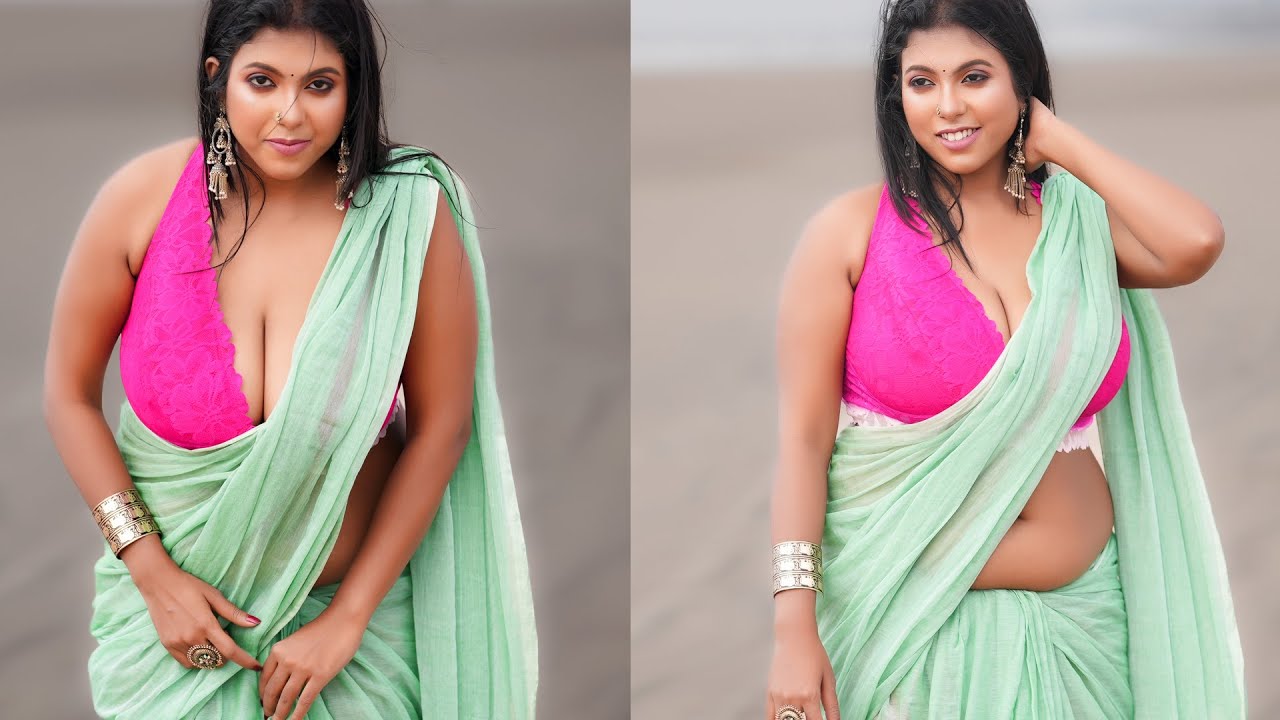
Fashion Beyond Trends: How Personal Style Shapes Modern Identity
Fashion is more than simply choosing clothes to wear. It is a powerful form of self-expression that reflects personality, creativity, culture, and individuality. From elegant traditional outfits to contemporary streetwear, fashion allows people to communicate who they are without saying a single word. As trends continue to evolve, modern fashion has become increasingly diverse, giving people more freedom to experiment with colors, fabrics, silhouettes, and accessories.
Today, the fashion industry combines creativity, technology, sustainability, and cultural influences to create styles that appeal to different generations. Whether someone prefers a sophisticated appearance, a relaxed everyday look, or a bold fashion statement, personal style remains at the heart of the fashion experience.
The Evolution of Modern Fashion
Timeless fashion continues to attract attention because it combines simplicity with sophistication. Well-fitted trousers, tailored blazers, classic dresses, neutral-colored tops, and carefully selected accessories can create stylish outfits without requiring complicated combinations.
One of the most appealing aspects of timeless clothing is its versatility. A single blazer, for example, can be paired with jeans for a relaxed appearance or worn with tailored trousers for a more formal occasion. Similarly, a classic dress can be styled with different shoes, handbags, and jewelry to create several distinct looks.
Neutral colors such as black, white, beige, navy, and gray are particularly useful for creating coordinated wardrobes. These shades can be combined easily, allowing individuals to develop a recognizable personal style while making practical clothing choices.
Street Style and the Influence of Social Media
Accessories play an important role in completing an outfit. Even a simple combination of jeans and a plain shirt can look distinctive when paired with carefully selected jewelry, a stylish handbag, or an interesting pair of shoes.
Popular accessories include:
- Statement earrings and delicate necklaces.
- Classic watches and fashionable bracelets.
- Structured handbags and compact shoulder bags.
- Sunglasses in different shapes and colors.
- Belts that add definition to an outfit.
- Scarves that introduce texture, color, or pattern.
The key to successful accessorizing is balance. A bold necklace may become the focal point of a simple outfit, while understated jewelry can complement clothing that already features dramatic patterns or elaborate details.
Accessories also offer an affordable way to refresh an existing wardrobe. Changing a handbag, adding a scarf, or choosing different footwear can give familiar clothing a completely different appearance.
Sustainable Fashion and Responsible Shopping
Sustainability has become an important topic in the fashion industry. As consumers become more aware of clothing waste and the environmental impact of production, interest in responsible fashion choices continues to grow.
One approach is to invest in durable garments that can be worn repeatedly. Another is to explore secondhand shopping, clothing exchanges, repairs, and creative ways to restyle existing pieces.
Building a practical wardrobe can also reduce unnecessary purchases. Before buying something new, shoppers can consider whether the item matches their existing clothing, suits their lifestyle, and offers enough versatility to justify the purchase.
Responsible fashion does not require abandoning creativity or personal expression. Instead, it encourages people to make thoughtful choices while continuing to enjoy the excitement of clothing and style.